Wicca 101 · 10 min read
What is Wicca?
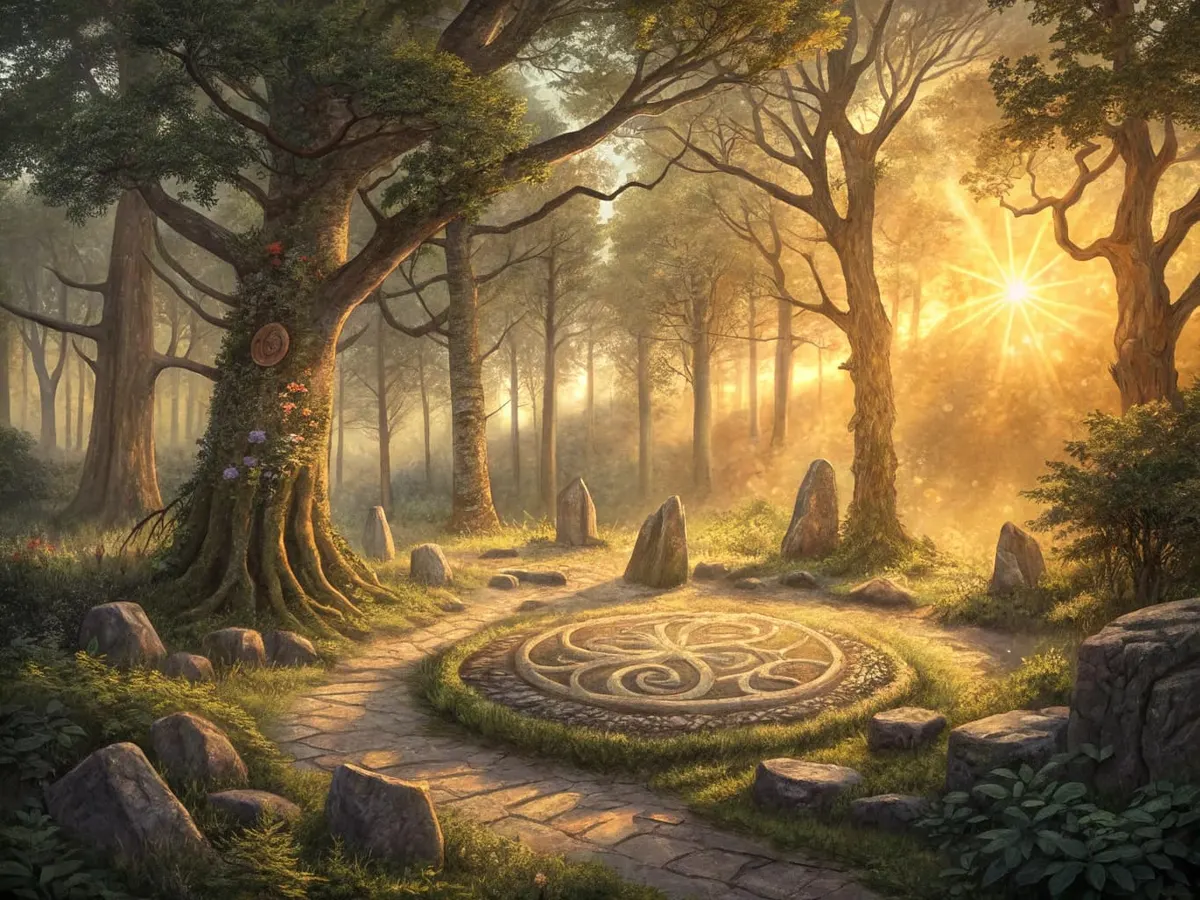
Wicca is a modern, Earth-centered religion with roots in ancient pagan beliefs and practices. It celebrates the cycles of the Earth and the moon, venerates both a god and a goddess, and practices magic and witchcraft within an ethical framework. Wicca is both a spiritual path and a way of life that encourages living in harmony with nature, acknowledging the divine in all things, and pursuing personal growth and understanding.
The History of Wicca
Wicca as it is known today was largely introduced by Gerald Gardner in the mid-20th century, who claimed it was a survival of ancient witchcraft traditions. While Gardner's claims about the ancient origins of Wicca are disputed, his influence in shaping what Wicca has become is undeniable. Over the decades, Wicca has evolved and branched into various traditions, each with its own unique practices and beliefs, yet all share core principles.
Core Beliefs and Practices
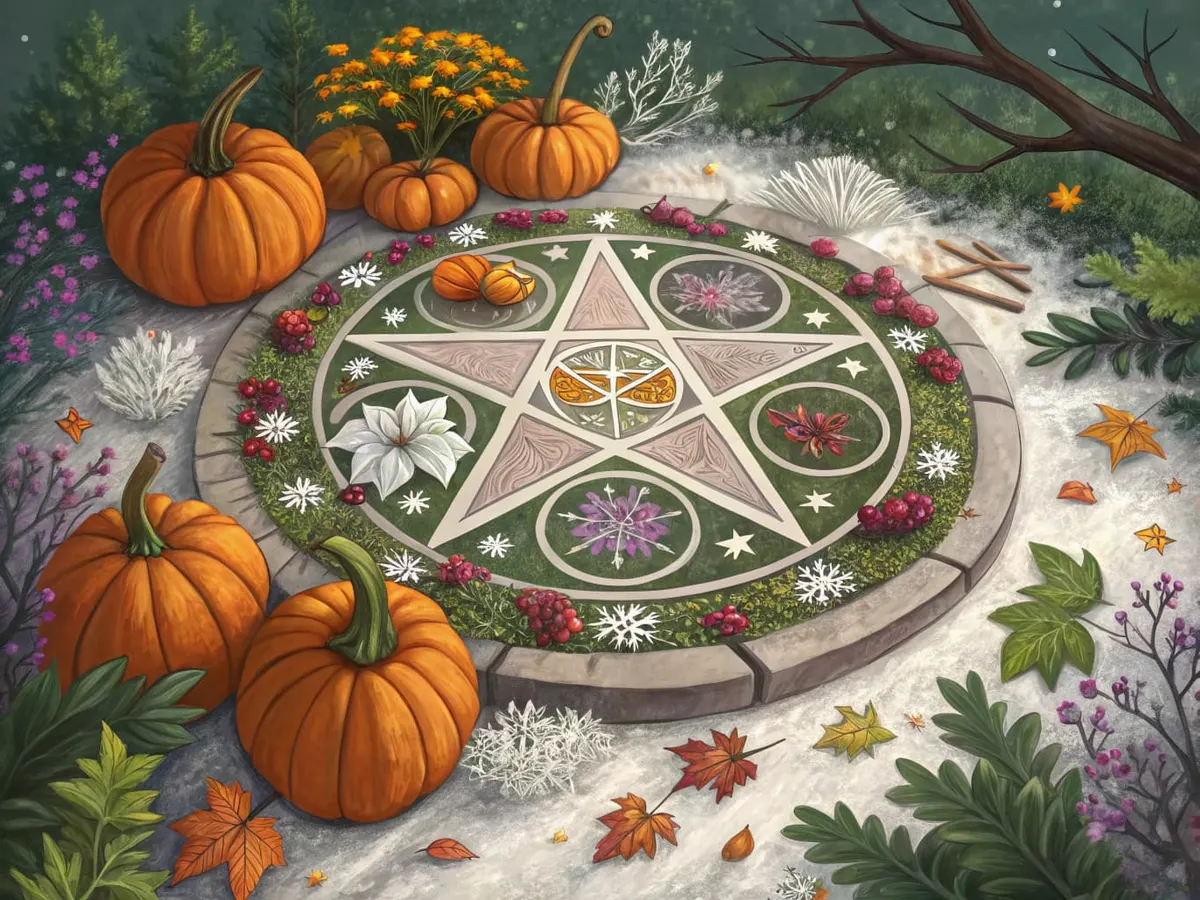
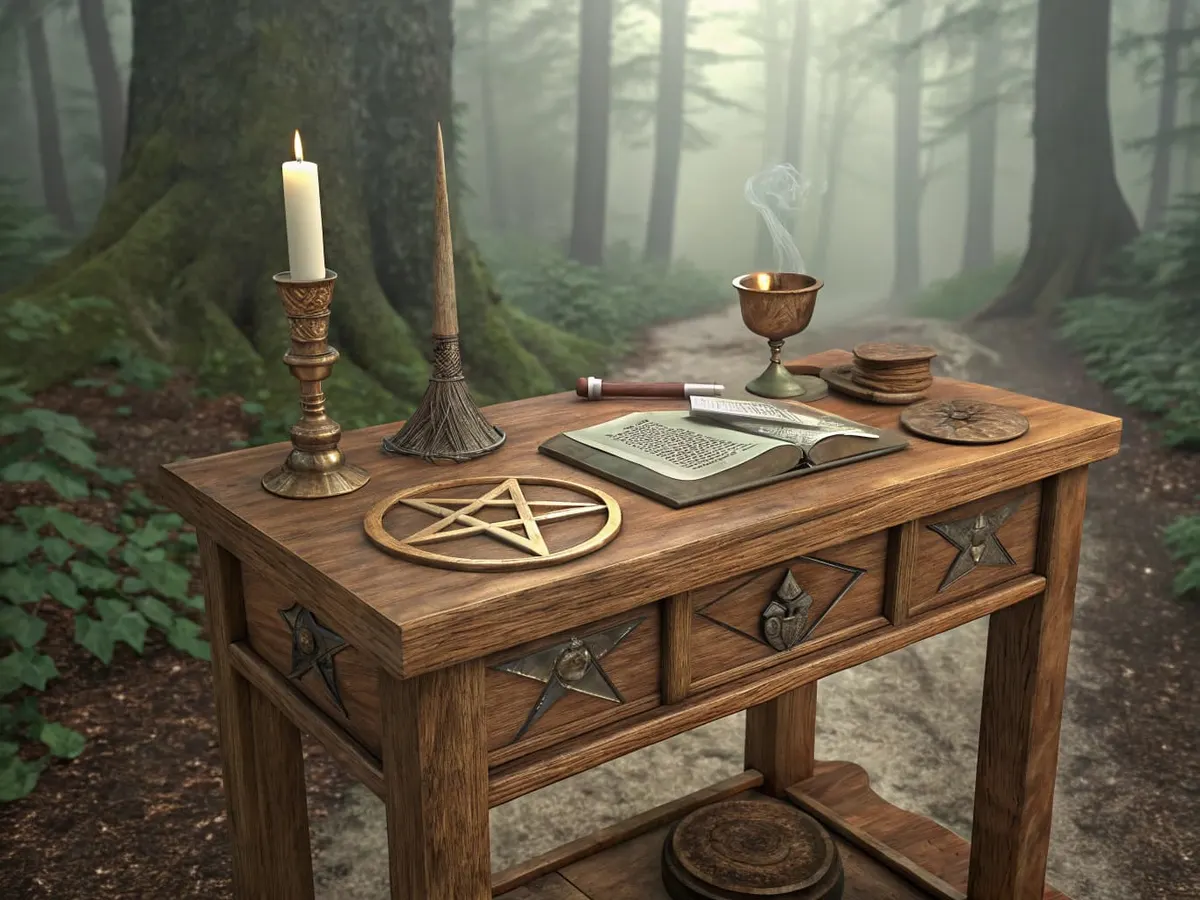
At its heart, Wicca is a duotheistic religion, worshipping both a Goddess and a God, who represent the female and male aspects of the divine. Wiccans celebrate eight Sabbats, marking the changing seasons and agricultural cycles, and thirteen Esbats, in honor of the moon's phases. Rituals and ceremonies are important in Wicca, often conducted within a sacred circle and involve elements such as candle magic, chanting, and the use of symbolic tools like the athame (ritual knife), wand, and pentacle.
The Wiccan Rede and The Threefold Law
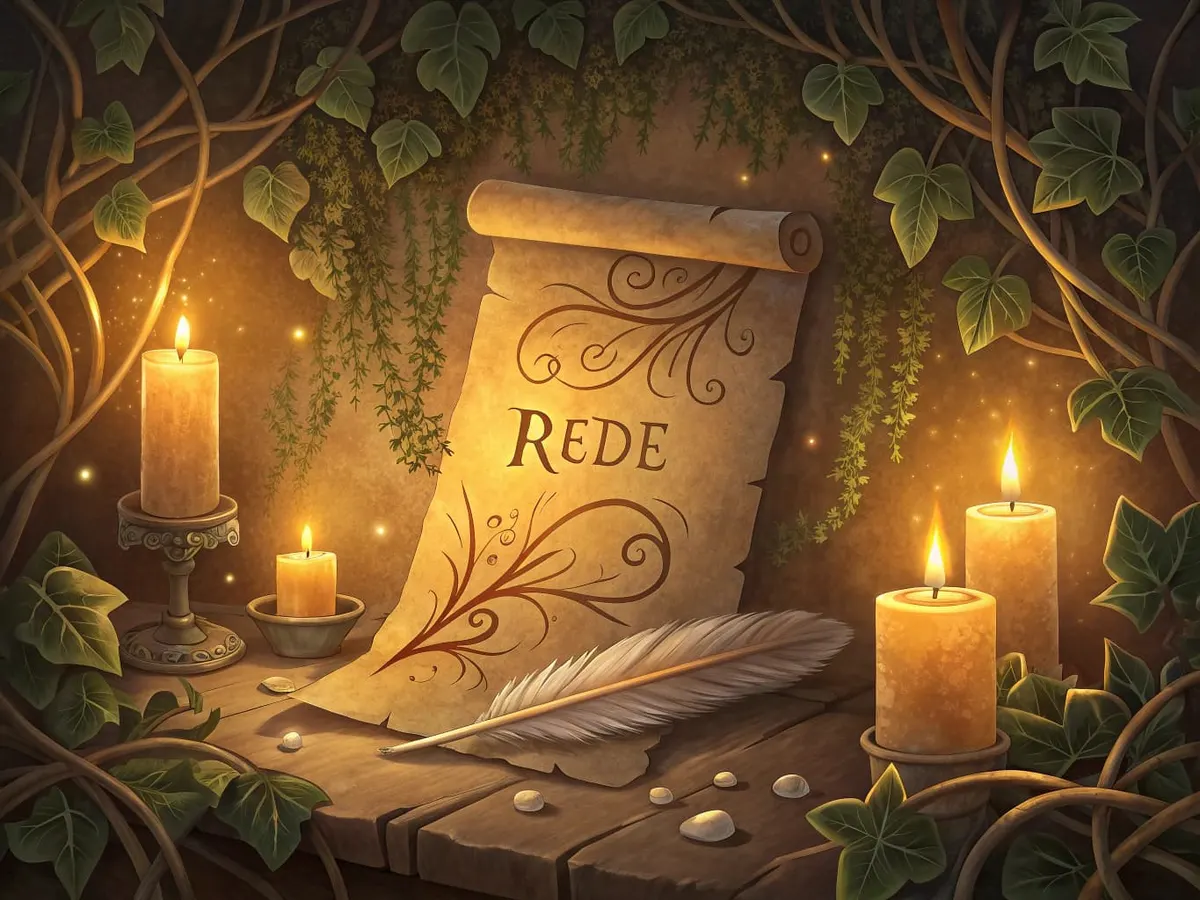
Ethical conduct is central to Wicca. The Wiccan Rede, 'An it harm none, do what ye will,' guides Wiccans in their actions, emphasizing harmlessness. The Threefold Law, or the Law of Return, teaches that whatever energy a person puts into the world, be it positive or negative, will be returned to them threefold.
Magic and Witchcraft
Magic, in Wicca, is seen as a natural, not supernatural, practice. It involves directing natural energies to bring about change. Wiccans believe that by working with the energies of nature, the cycles of the moon, and the divine, they can influence their surroundings in positive ways.
Community and Solitary Practice
Wicca can be practiced both in groups, known as covens, or individually as solitary practitioners. Covens often have a structured system of degrees and initiation, and provide a community for rituals, learning, and support. Solitary Wiccans, on the other hand, tailor their practice to their personal beliefs and experiences, often blending Wiccan traditions with other spiritual paths.
Wicca Today
Today, Wicca continues to grow in popularity, appealing to those seeking a religion that honors the Earth, celebrates the divine in feminine and masculine forms, and embraces magic and personal empowerment. It is a diverse and evolving path, with practitioners worldwide following their own unique interpretation of Wiccan beliefs and practices.
In conclusion, Wicca is a rich, complex religion that offers a path to spiritual growth, a close connection with nature, and a community of like-minded individuals. Its emphasis on personal responsibility, ethical conduct, and the celebration of life makes it a deeply fulfilling spiritual path for many.