Wicca 101 · 10 min read
The Wheel of the Year: Sabbats Explained
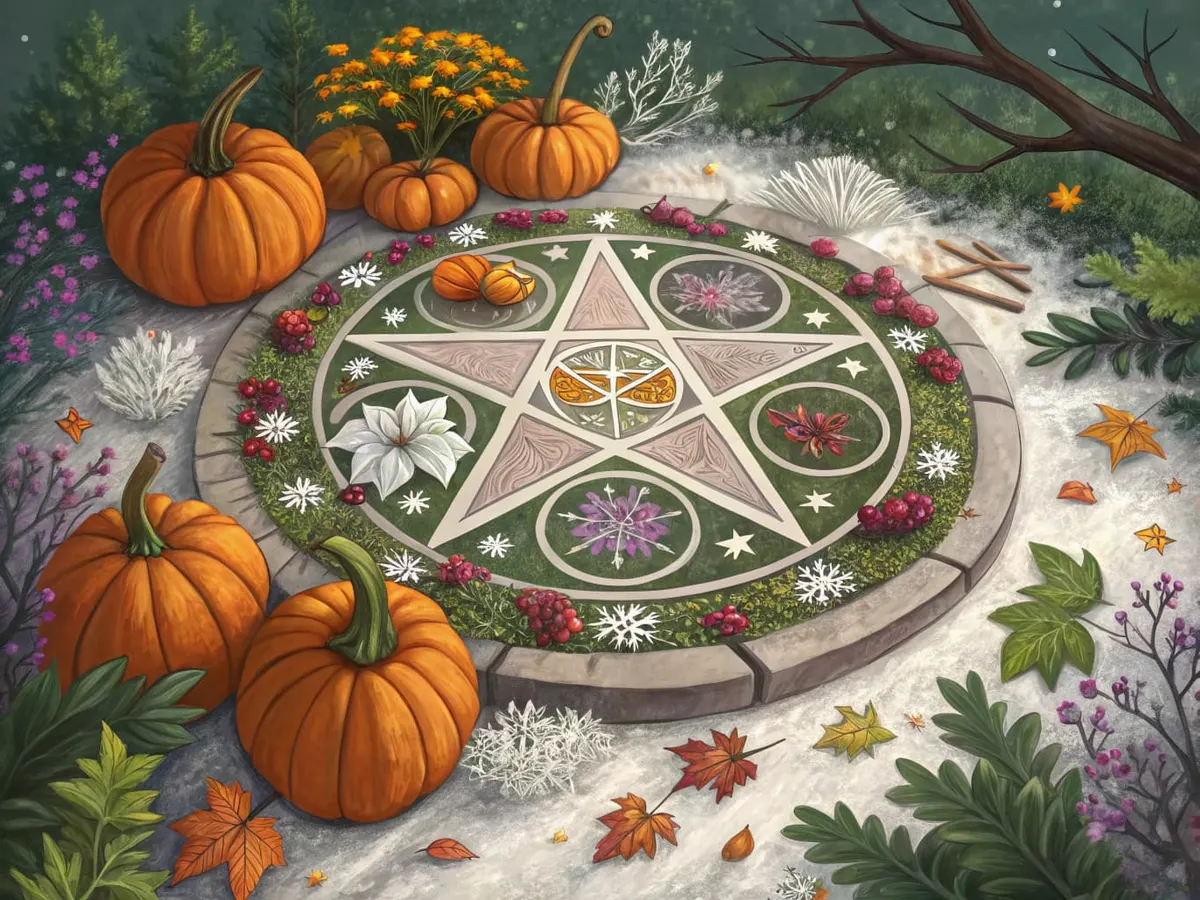
The Wheel of the Year is a fundamental aspect of Wiccan belief and practice, marking the cycle of the seasons and celebrating the Earth's natural rhythms. It consists of eight Sabbats, or holy days, that are evenly spaced throughout the year, creating a blend of deep reverence, celebration, and reflection. This article delves into each of these Sabbats, exploring their meanings, traditions, and ways to observe them.
Samhain (October 31st - November 1st) Samhain marks the end of the harvest season and the beginning of winter. It is a time to honor ancestors and loved ones who have passed. This is a deeply spiritual time where the veil between worlds is considered thinnest. Celebrations often include setting an extra place at the dinner table for the departed or lighting candles to guide their way back to the spirit world.
Yule (Winter Solstice, around December 21st) Yule celebrates the rebirth of the sun, marking the longest night and the promise of returning light. This is a time of hope, renewal, and new beginnings. Traditions include decorating a Yule tree, exchanging gifts, and lighting candles or a Yule log to symbolize warmth, light, and the sun's energy.
Imbolc (February 1st - 2nd) Imbolc heralds the early signs of spring. It is a festival of purification and light, dedicated to the goddess Brigid. This Sabbat is a time to cleanse one's home and spirit, light candles, and celebrate the returning light. Planting seeds or blessing agricultural tools are common practices.
Ostara (Spring Equinox, around March 21st) Ostara celebrates the balance of day and night and the arrival of spring. It is a time of fertility, renewal, and balance. Observances often include decorating eggs, planting new seeds, and honoring the burgeoning life all around.
Beltane (May 1st) Beltane marks the peak of spring and the beginning of summer. This festival celebrates fertility, fire, and abundance. Traditions include dancing around a Maypole, lighting bonfires, and celebrating the beauty and vitality of nature.
Litha (Summer Solstice, around June 21st) Litha, or Midsummer, celebrates the longest day of the year. It is a time of strength, power, and the full blossoming of nature. Celebrations often involve bonfires, feasting, and acknowledging the power of the sun.
Lammas or Lughnasadh (August 1st) Lammas marks the beginning of the harvest season. It is a time to give thanks for abundance and to begin reaping what has been sown throughout the year. Traditions include baking bread, holding feasts, and offering the first fruits of the harvest.
Mabon (Autumn Equinox, around September 21st) Mabon celebrates the balance of light and dark once more, with a focus on gratitude and the second harvest. It is a time to reflect on the past season's work and to recognize the balance and harmony in our lives. Observances may include feasting on seasonal produce, making wine, and preparing for the cooler months ahead.
Each of these Sabbats connects us more deeply to the Earth's cycles, our community, and ourselves. They remind us of the ever-changing flow of life and the importance of aligning with the natural world. Celebrating the Sabbats can vary widely among practitioners; some may prefer solitary reflection, while others gather in large groups. The key is to find what resonates with you personally and to embrace the cyclical nature of existence.
As we journey through the Wheel of the Year, we are reminded of the transient beauty of life and the lessons each season brings. Whether you are new to Wicca or have been practicing for years, the Sabbats offer a rich tapestry of tradition, introspection, and celebration. By observing these holy days, we affirm our connection to the natural world and the cycle of life and death, renewal and decay, that governs all living beings.