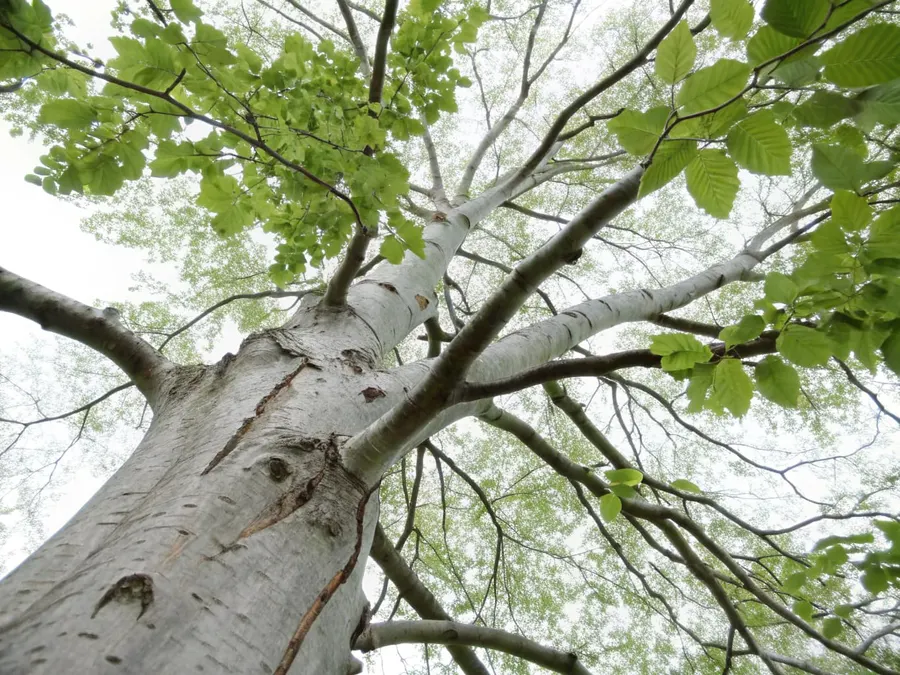
Slippery Elm is associated with protection, healing, grounding and courage in witchcraft.
What Slippery Elm symbolizes
Slippery elm symbolizes resilience, protection, and nurturing. Its soft, slippery inner bark is seen as a symbol of gentleness, smoothing over conflict and soothing the spirit.
How witches use Slippery Elm
- Creating protective charms or talismans
- Healing spells and rituals
3 more slippery elm uses, best practices and step-by-step rituals are in the Wicca app.
Appearance & origins
Slippery elm is a medium-sized deciduous tree with rough, reddish-brown bark that becomes flaky as the tree matures. The inner bark, which is the primary part used in magic and folk tradition, is soft and fibrous, with a mucilaginous texture when moistened. The leaves are oval-shaped with serrated edges and a slightly rough texture, while its small, clustered flowers appear in early spring before the leaves fully develop.
Native to North America, particularly the eastern United States and parts of Canada, slippery elm thrives in moist, well-drained soils, often found along riverbanks, streams, and in lowland forests.
Associated deities
- Gaia (Earth Mother)
- Hygieia (Goddess of Health)
- Hermes (God of Communication)
Safety
Warnings: Slippery elm is generally considered safe, but avoid use if allergic to elm trees. Pregnant women should consult a healthcare provider before use, as it may interfere with certain medications or conditions.
Health note: Do not harvest bark from living trees irresponsibly, as it can harm or kill the tree. People with known allergies to elm trees or related species should avoid use. Consult a healthcare provider before use, especially during pregnancy or when taking other medications.
Storage: Store powdered slippery elm bark in an airtight container in a cool, dry place away from direct sunlight. Proper storage ensures its potency for up to one year.