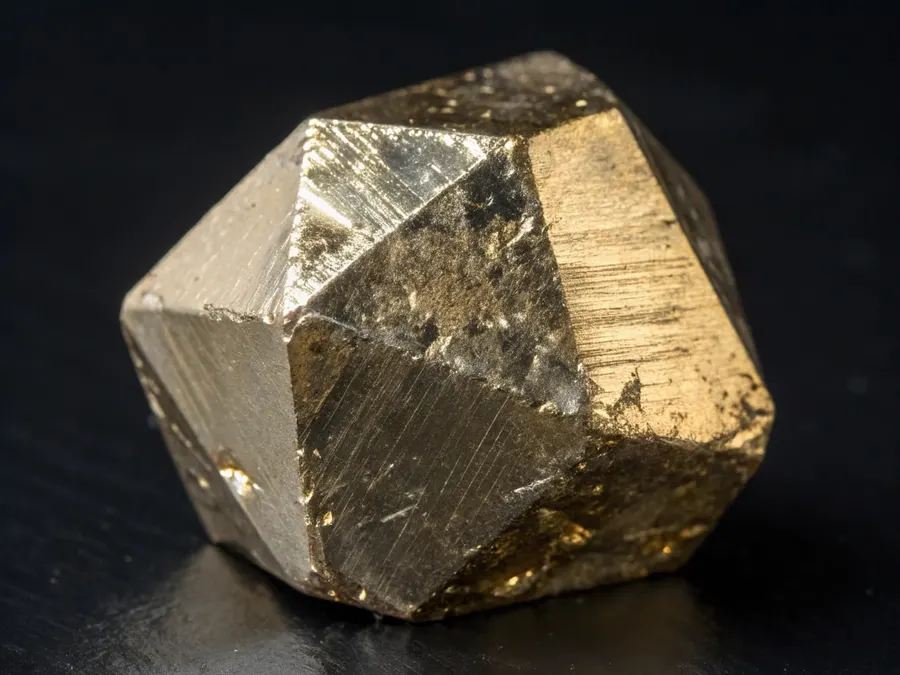
Pyrite is associated with abundance, protection, manifestation and confidence in witchcraft.
What Pyrite symbolizes
Pyrite symbolizes prosperity, determination, and protection. It is often associated with the energy of the Sun, radiating warmth, vitality, and strength.
How witches use Pyrite
- Attracting wealth and abundance
- Warding off negative energy or psychic attacks
3 more pyrite uses, best practices and step-by-step rituals are in the Wicca app.
Appearance & origins
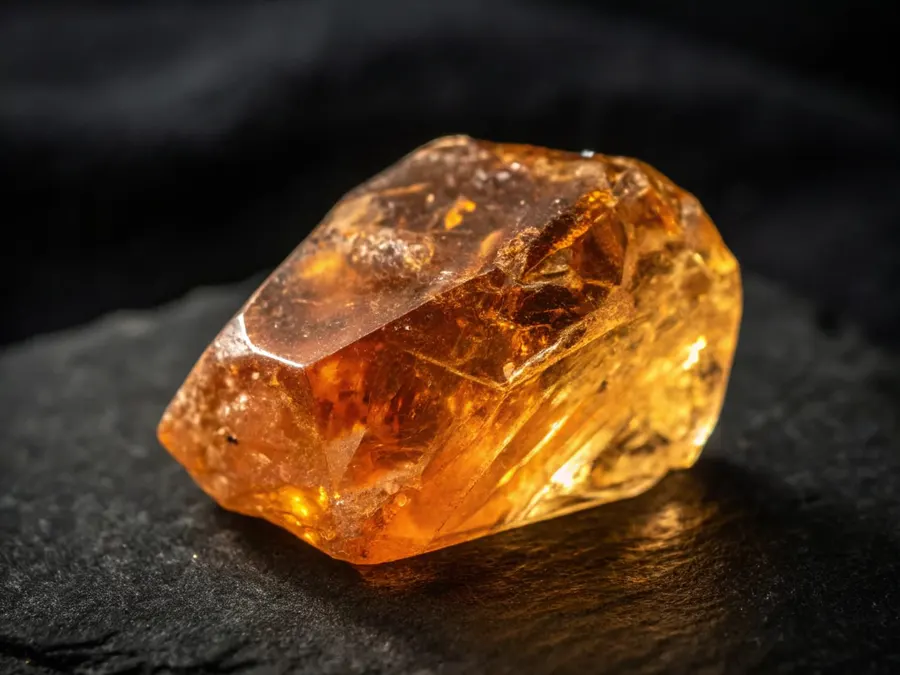
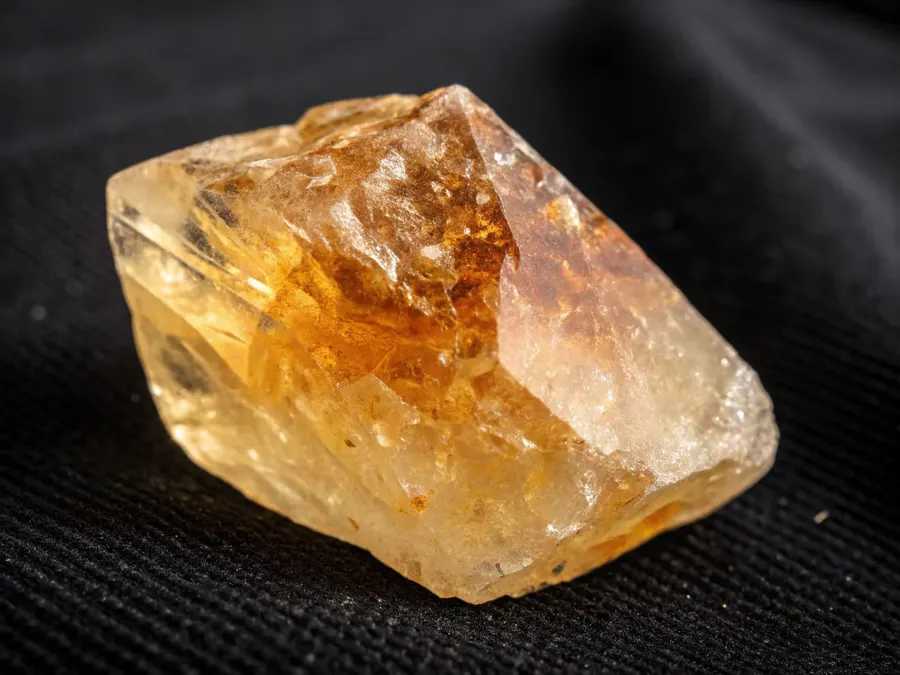
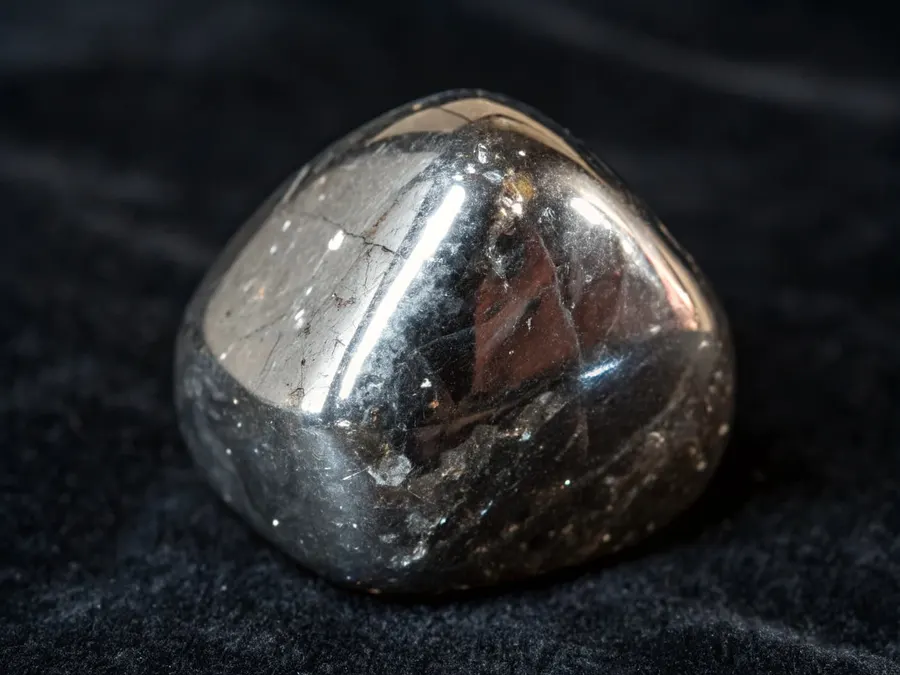
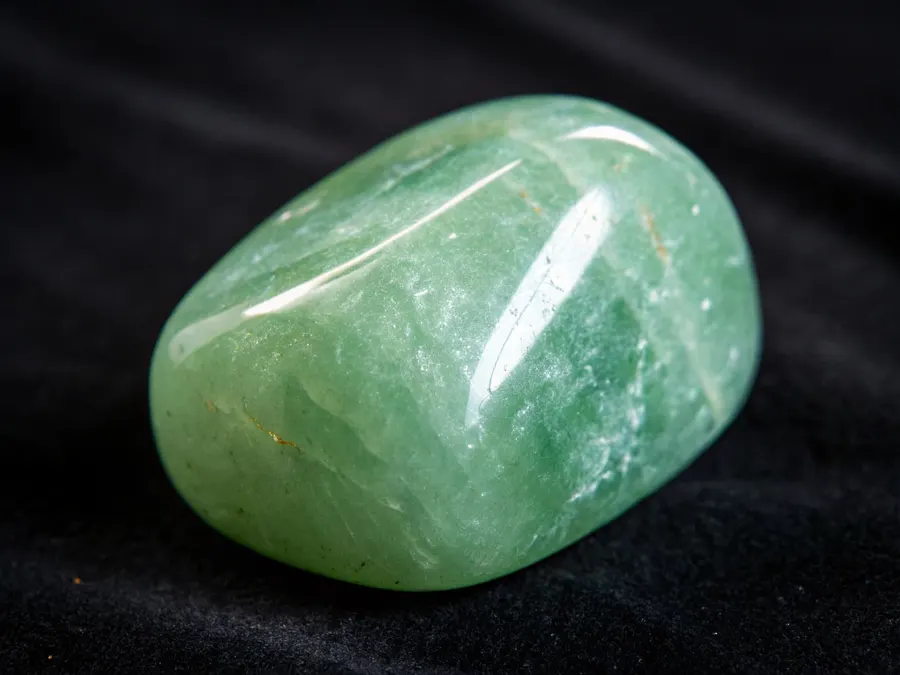
Pyrite is a metallic-looking crystal with a brassy yellow hue, often forming in cubic or dodecahedral shapes. Its surface is shiny and reflective, resembling gold, which is why it earned the nickname 'Fool's Gold.' Some specimens may have striations or a crystalline, jagged texture. It has a dense, heavy feel and a metallic luster.
Pyrite is commonly found in abundance in Spain, Italy, Peru, and the United States. It is often mined from sedimentary deposits and hydrothermal veins.
Associated deities
- Hephaestus (Greek God of Fire and Forge)
- Sekhmet (Egyptian Goddess of War and Power)
- Helios (Greek God of the Sun)
Folklore & history
Pyrite was often believed to be a stone of magic and mystery. Ancient cultures associated it with the Sun's energy and used it in amulets to ward off danger and attract wealth.
In ancient Greece and Rome, pyrite was used to create sparks for fire-starting. Native American tribes also used pyrite as a mirror, believing it could reveal hidden truths or visions during spiritual rituals.
Safety
Warnings: Pyrite contains sulfur and trace amounts of arsenic, so it should not be used in elixirs or ingested. Avoid prolonged exposure to water, as it may cause the crystal to oxidize and release toxic compounds.
Care: Store pyrite in a dry, cool place away from moisture to prevent tarnishing. Handle with care to avoid scratching its surface, and cleanse it gently with non-abrasive methods.