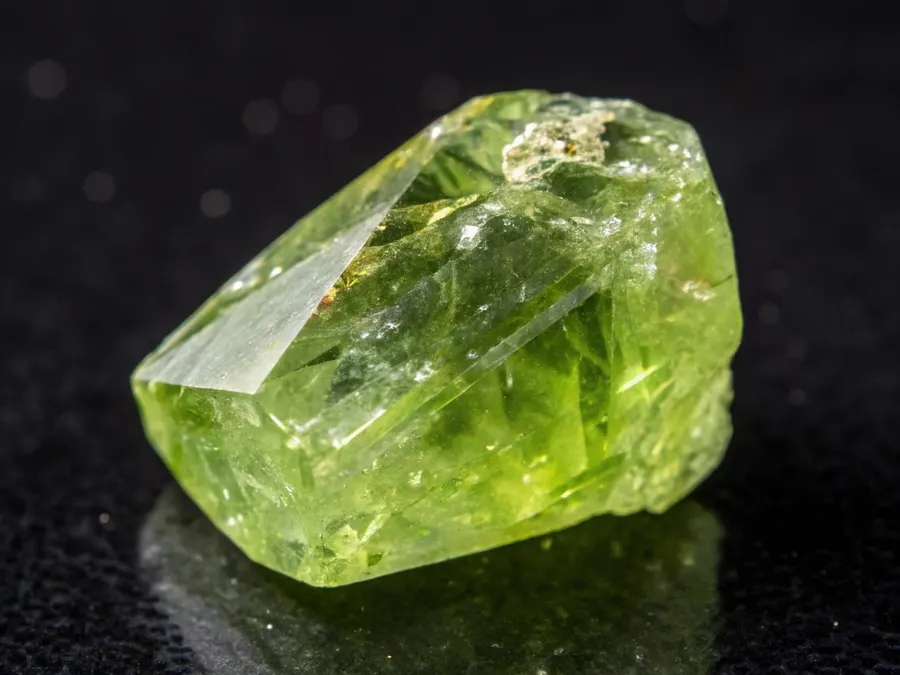
Peridot is associated with abundance, growth, protection and healing in witchcraft.
What Peridot symbolizes
Peridot symbolizes renewal, growth, and abundance. It is often associated with the heart, representing love and emotional clarity.
How witches use Peridot
- Attracting abundance and prosperity
- Promoting emotional healing and harmony
3 more peridot uses, best practices and step-by-step rituals are in the Wicca app.
Appearance & origins
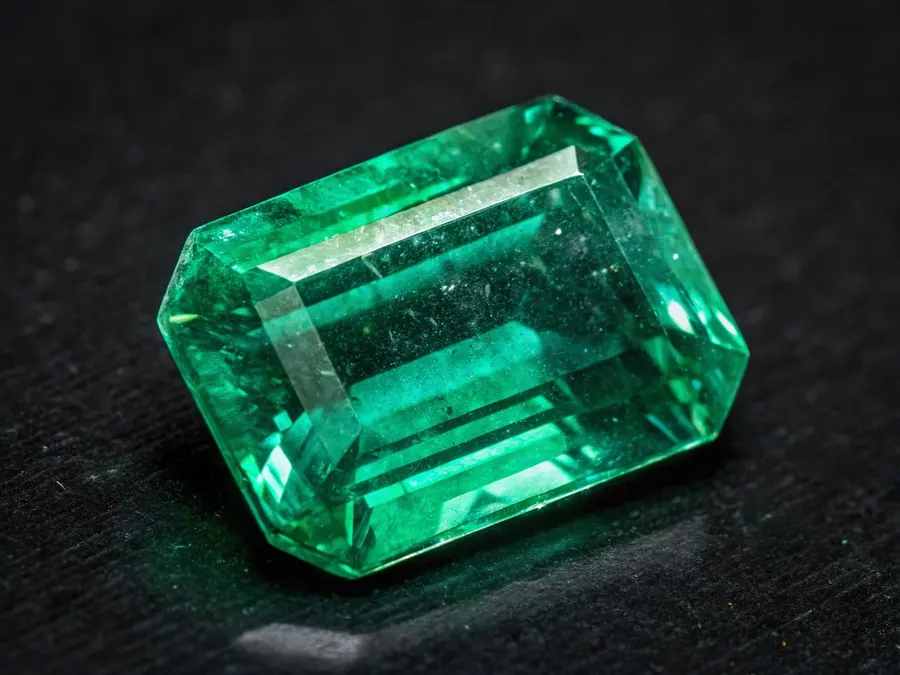
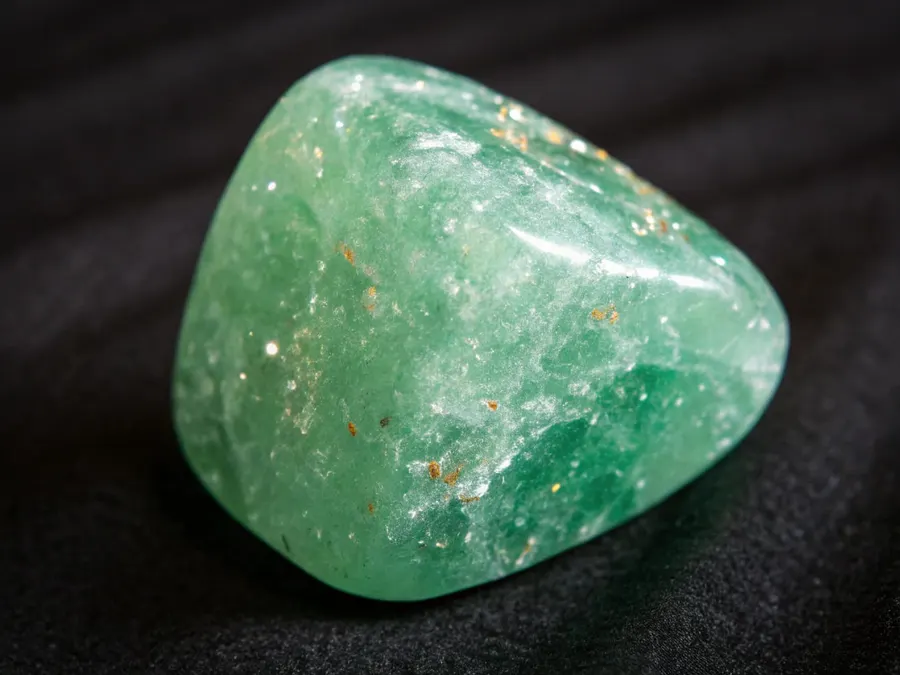
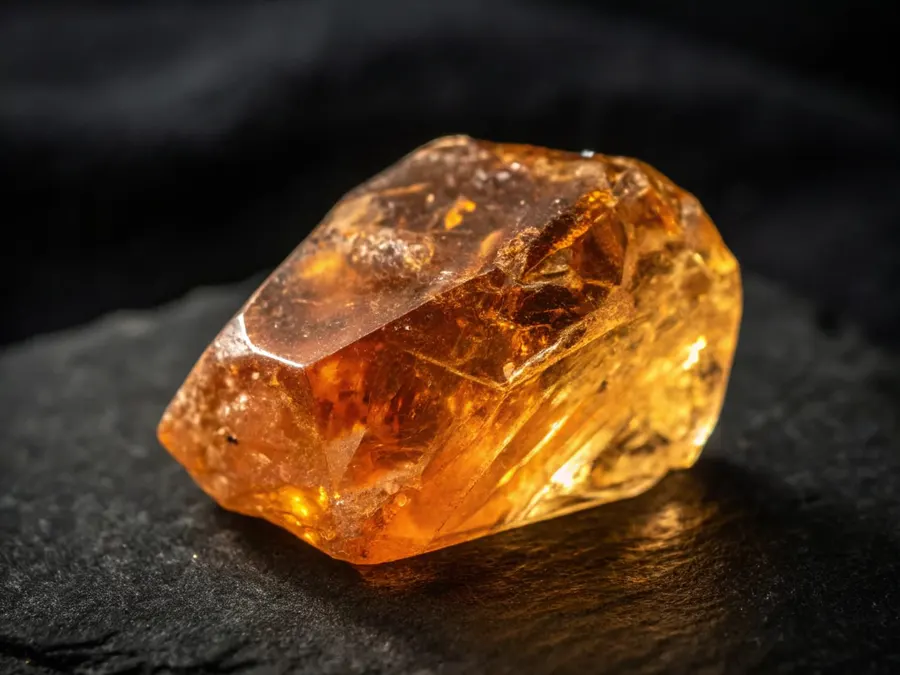
A vibrant green crystal with a glassy, translucent appearance. Its color ranges from lime green to olive green, occasionally exhibiting golden undertones. The surface is typically smooth when polished, but raw specimens may have a rough or granular texture.
Peridot is commonly mined in volcanic regions and is found in places like Myanmar, Pakistan, the United States (notably Arizona), China, and Hawaii. It can also be discovered in meteorites, though this is rare.
Associated deities
- Pele (Hawaiian goddess of volcanoes)
- Lakshmi (Hindu goddess of wealth and prosperity)
- Aphrodite (Greek goddess of love and beauty)
Folklore & history
Ancient Egyptians referred to Peridot as the 'gem of the sun' and believed it protected against the forces of darkness. It was also said to be a favorite gemstone of Cleopatra, who mistook it for emeralds.
Peridot was used by the ancient Romans for amulets to ward off evil spirits. In Hawaii, it is connected to the goddess Pele and was believed to be her tears solidified into gemstones.
Safety
Warnings: Peridot is non-toxic and safe to handle. However, avoid prolonged exposure to harsh chemicals or saltwater as it can damage the crystal's surface.
Care: Store Peridot separately from harder gemstones to avoid scratches. Clean it gently with mild soap and water, and dry it thoroughly to maintain its luster.